The Goddess from Taranto

A Mystery

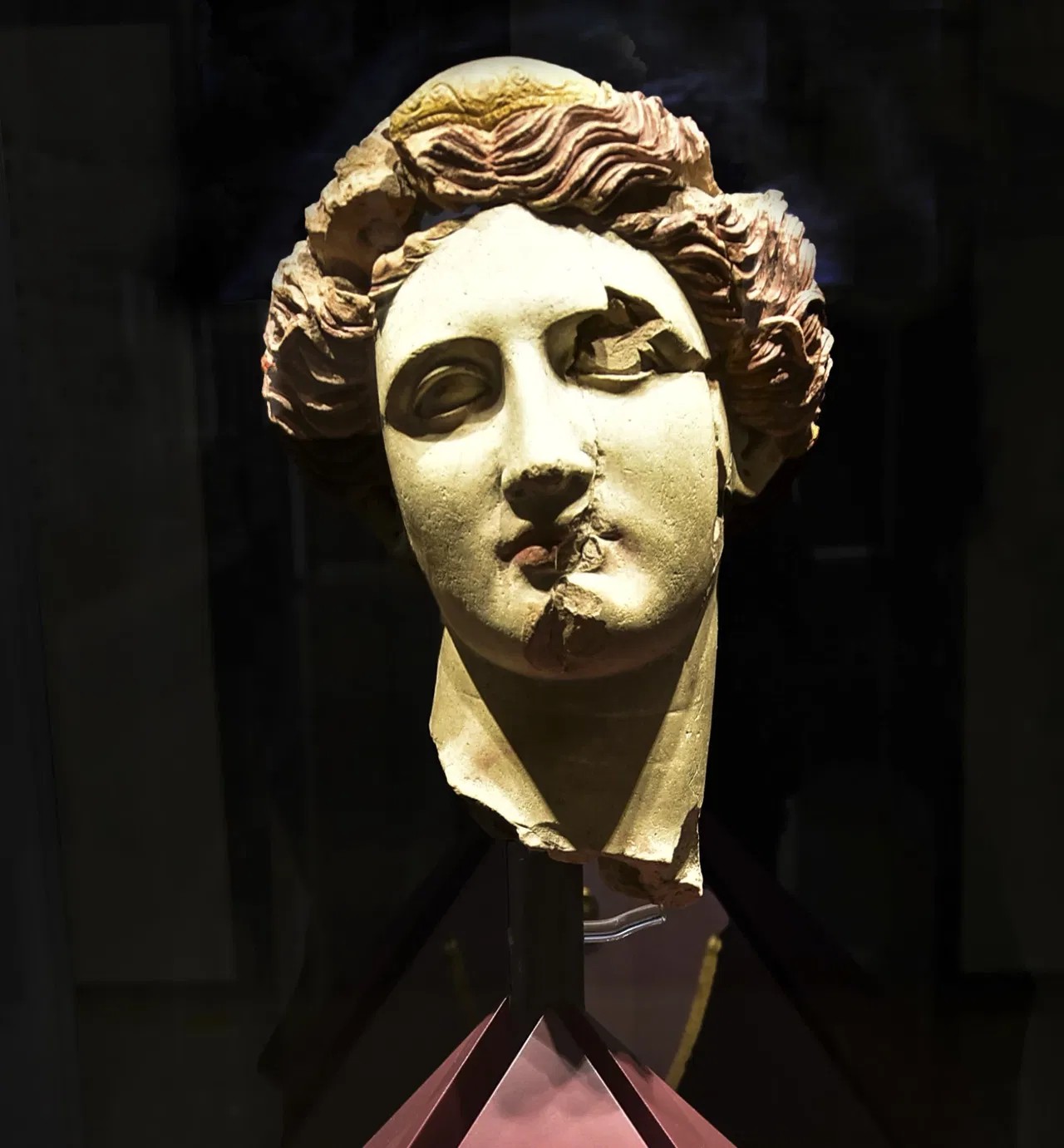
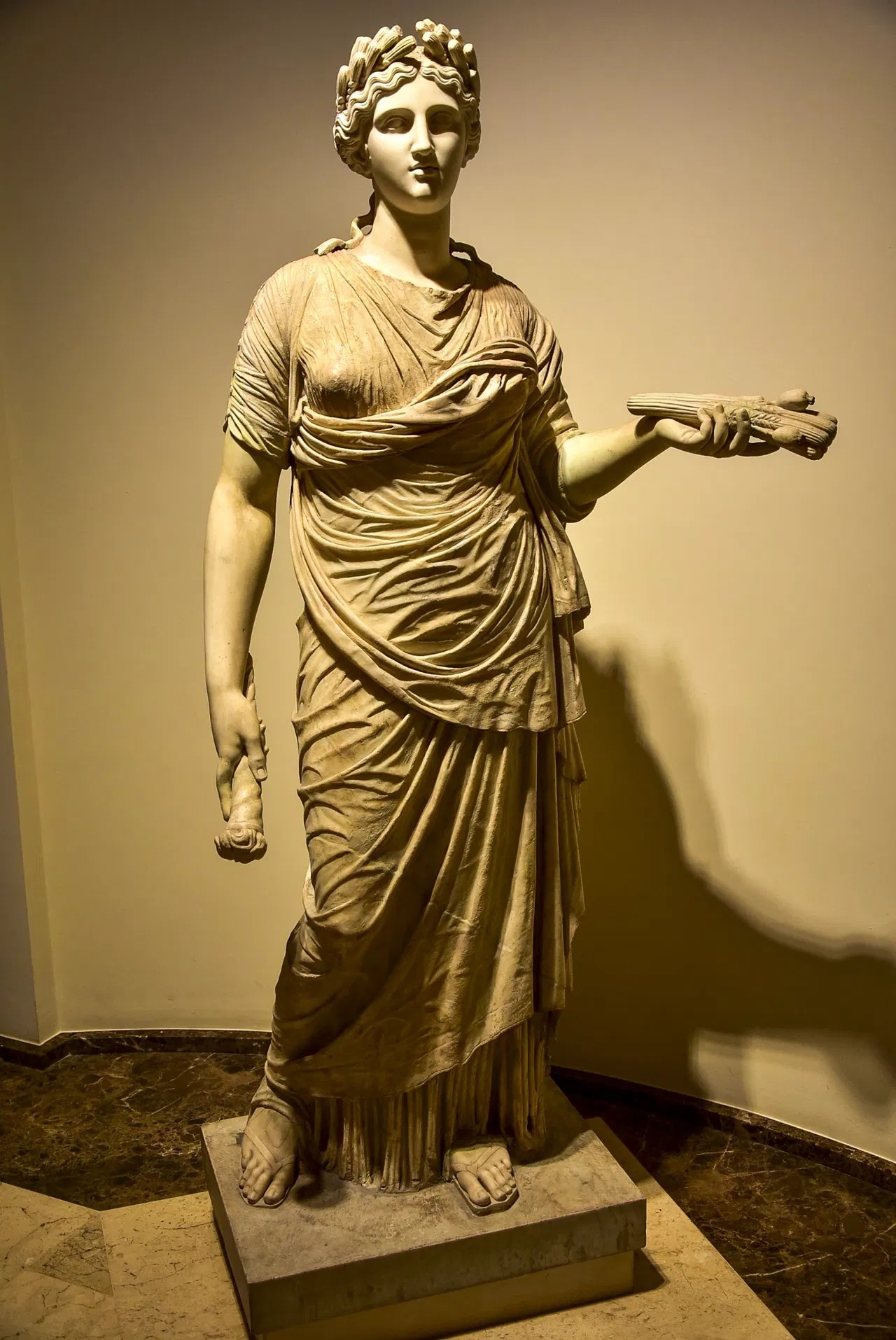
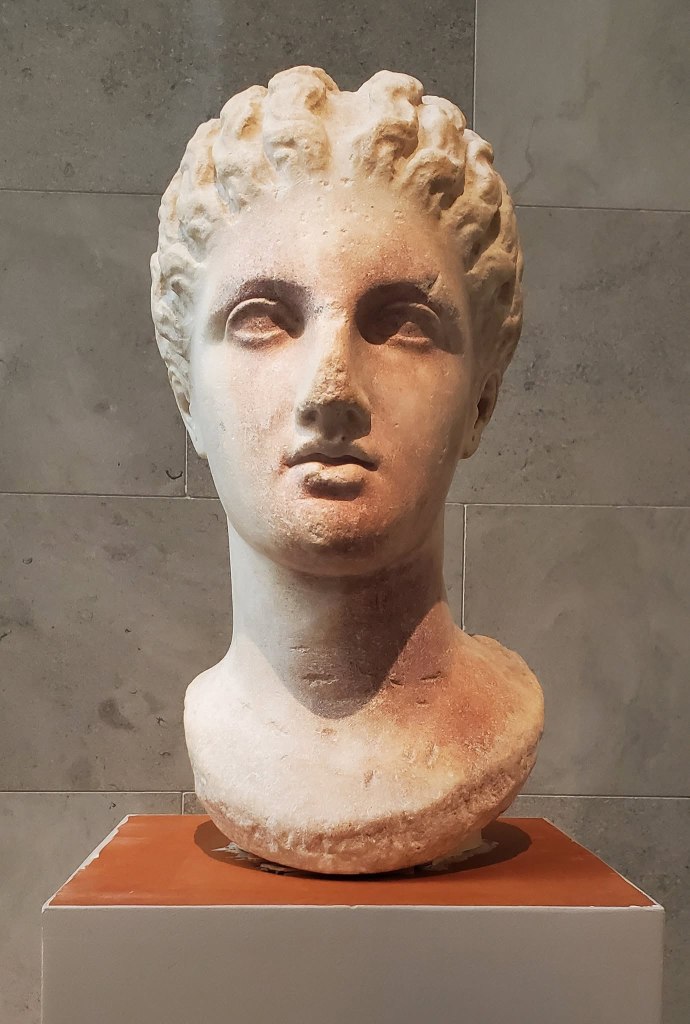
Marble head of Persephone, 4th century BCE. Found in Taranto & on display at the Metropolitan Museum of Art in New York City. Photo ยฉ Melissa M. / The Torch and Key

Taranto, sometimes referred to as Tarentum, is located in the Puglia region of southern Italy (the “heel” part of the “boot”). Taranto was named for Taras, a figure from Greek mythology who was said to be the son of Poseidon, and was believed to be shipwrecked in the nearby sea. According to the myths, Taras was rescued by Poseidon when he sent a dolphin to assist Taras to shore, and Taranto is where Taras landed.

The remains of a great temple are located in Taranto, dating to approximately the 6th century BCE. It was long believed that the temple was for Poseidon, however, that theory has been called into question with archaeological finds in the area pointing to a female deity being worshipped there – either Persephone or Artemis, or both (either separately or they were blended, which wasn’t uncommon) alongside Demeter.

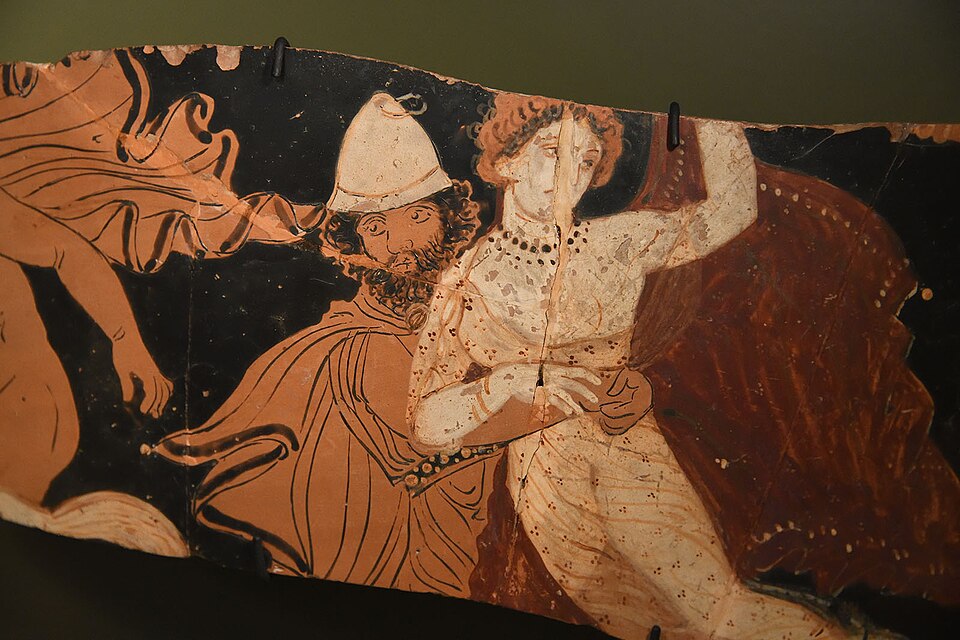
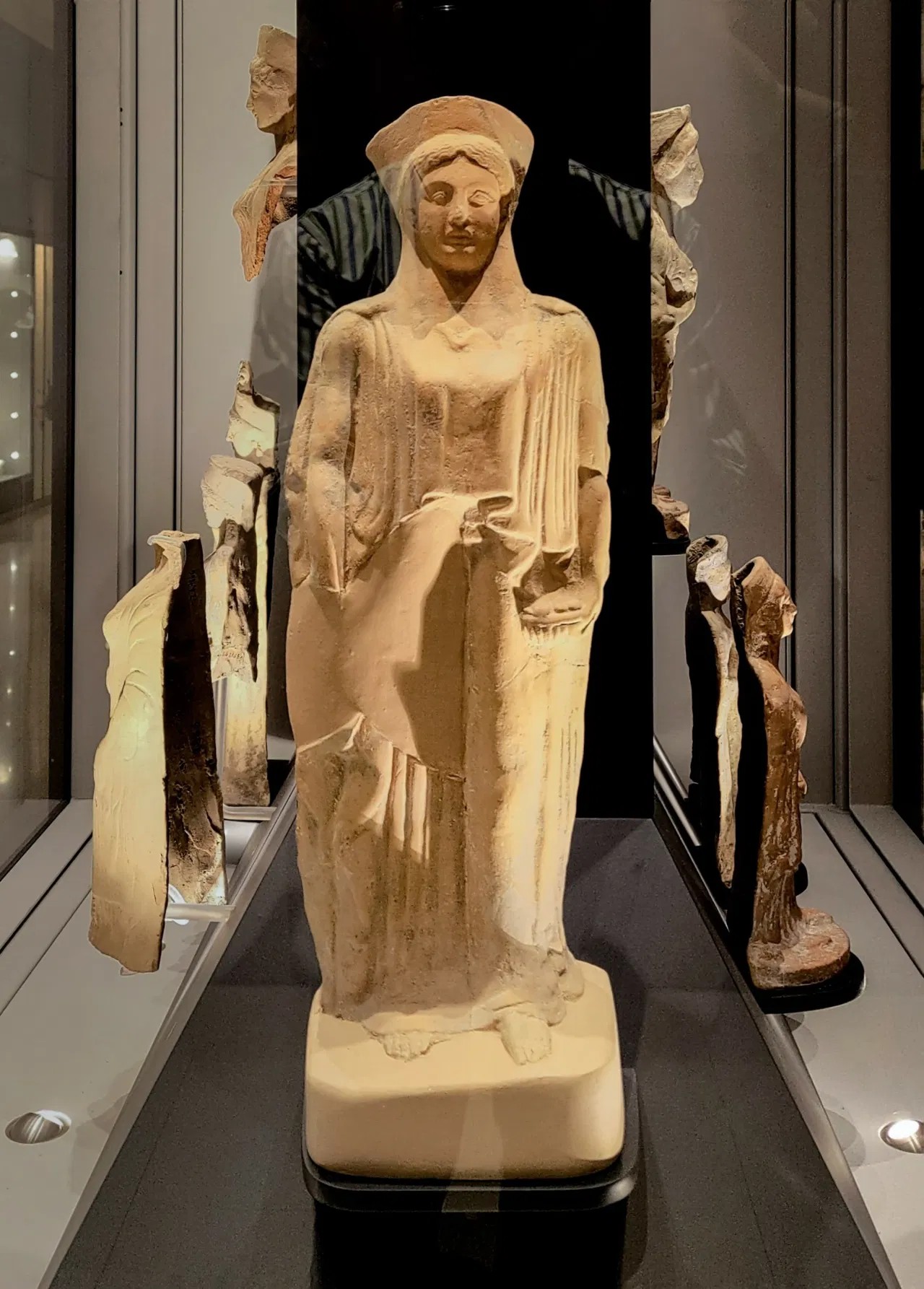
Below is a slideshow of additional artifacts found at Taranto that indicate Persephone and Demeter were worshipped there. Photo captions have been provided.
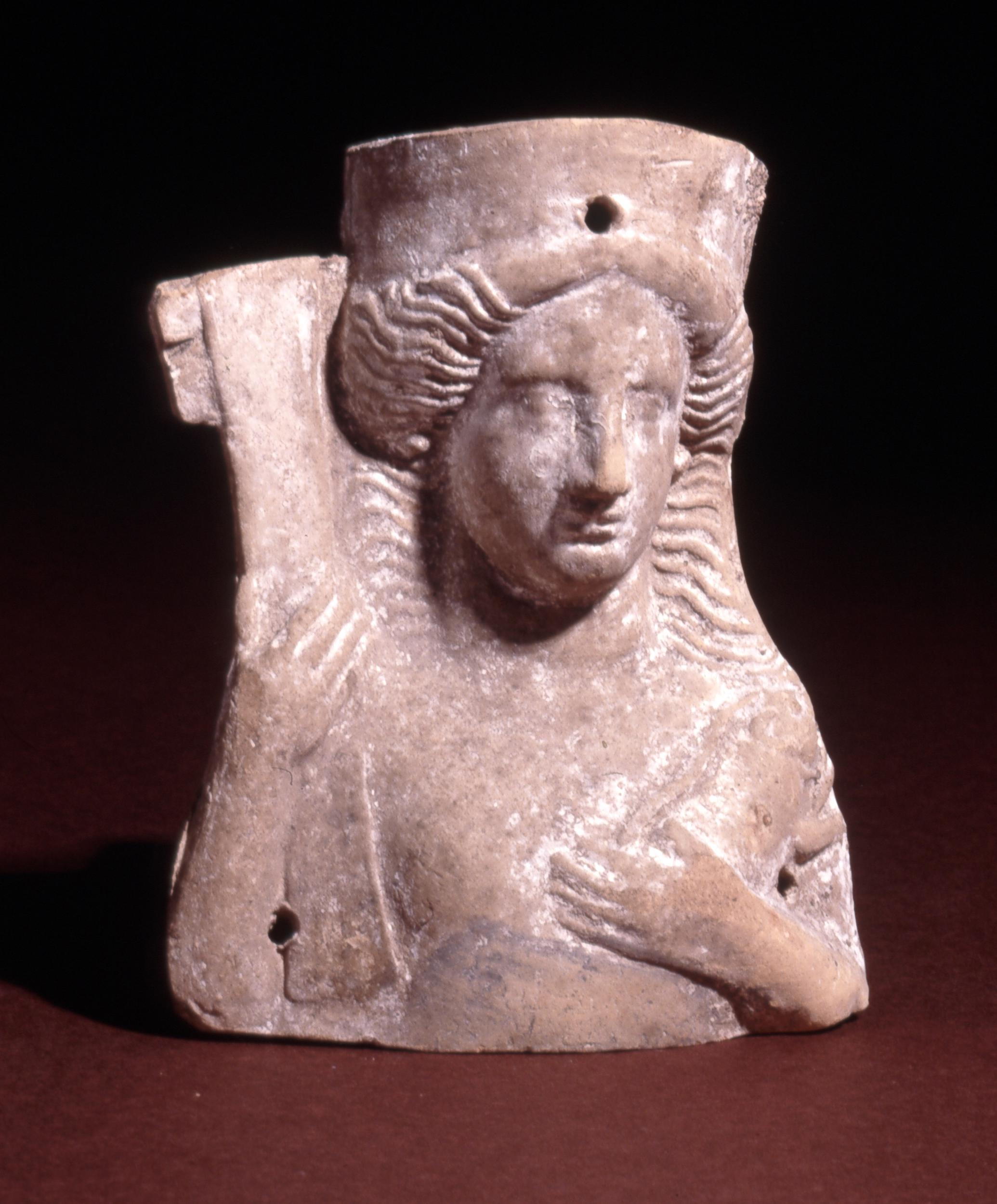
Based on the slideshow above, it is fair to conclude that Persephone and Demeter were worshipped in Taranto. A temple to Poseidon would not contain artifacts depicting key events linked to the Eleusinian Mysteries, as were found at other known sanctuaries that were dedicated to Demeter and Persephone in southern mainland Italy and Sicily that carried out reenactments of the Eleusinian rites, such as in Selinunte, Morgantina, and Enna.

Il Ritorno di Persephone

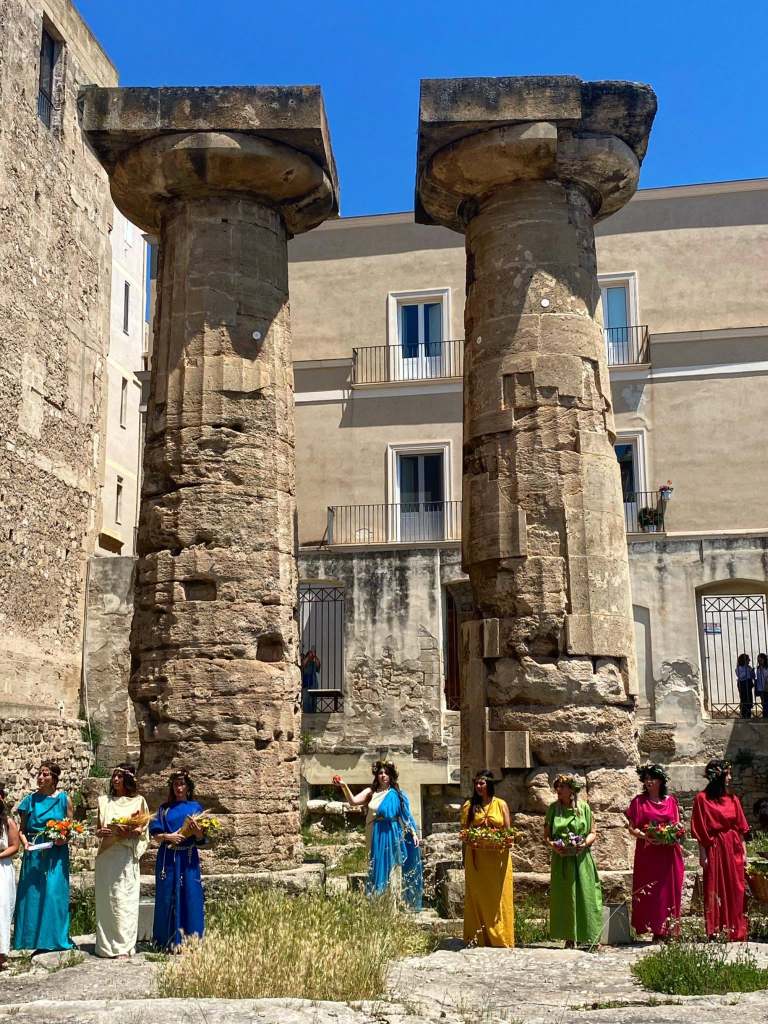
Recently, the Greek Reporter featured an annual festival in Taranto that celebrates Persephone’s return from the underworld. They describe a ceremonial procession through the town that ended at Piazza Castello where the temple remains are.

Celebrants in front of the temple remains in Taranto. Photo courtesy of Stato Magna Grecia – Due Sicilie

Bringing Persephone Home

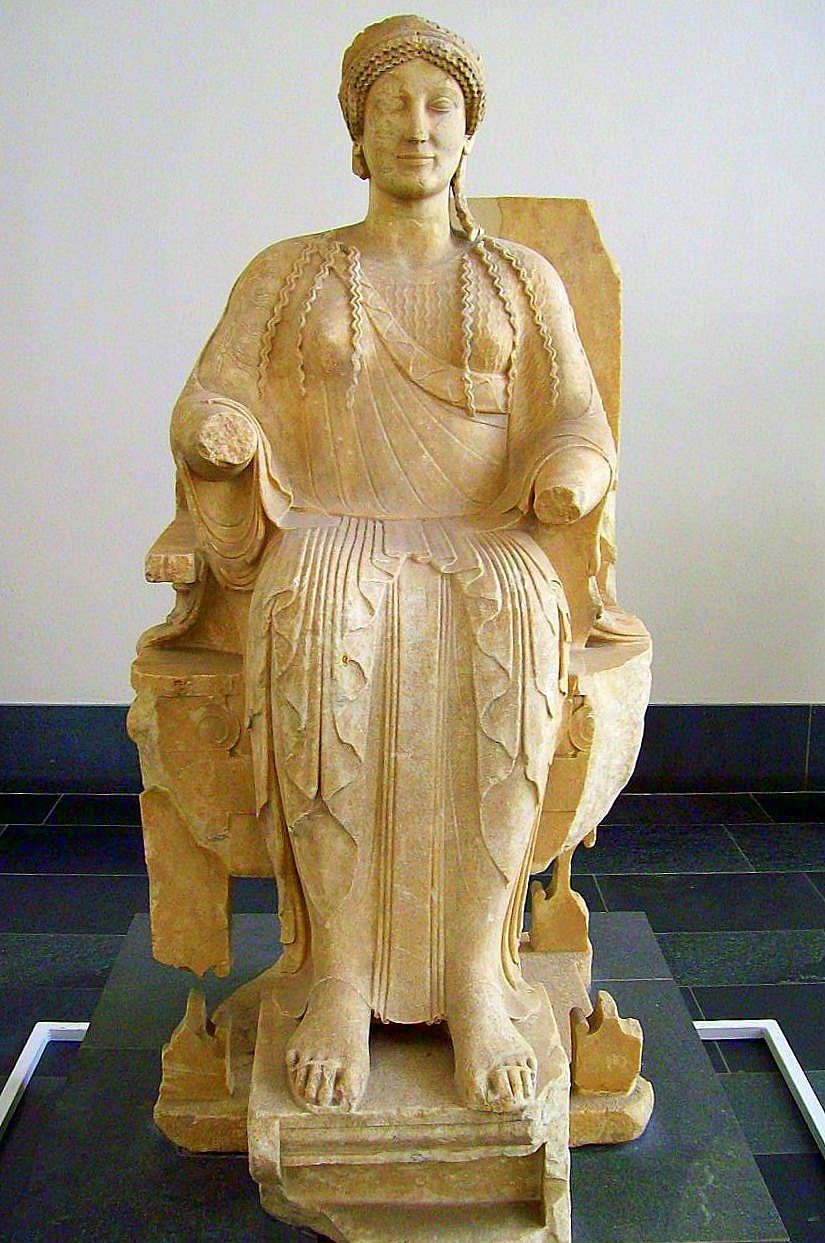
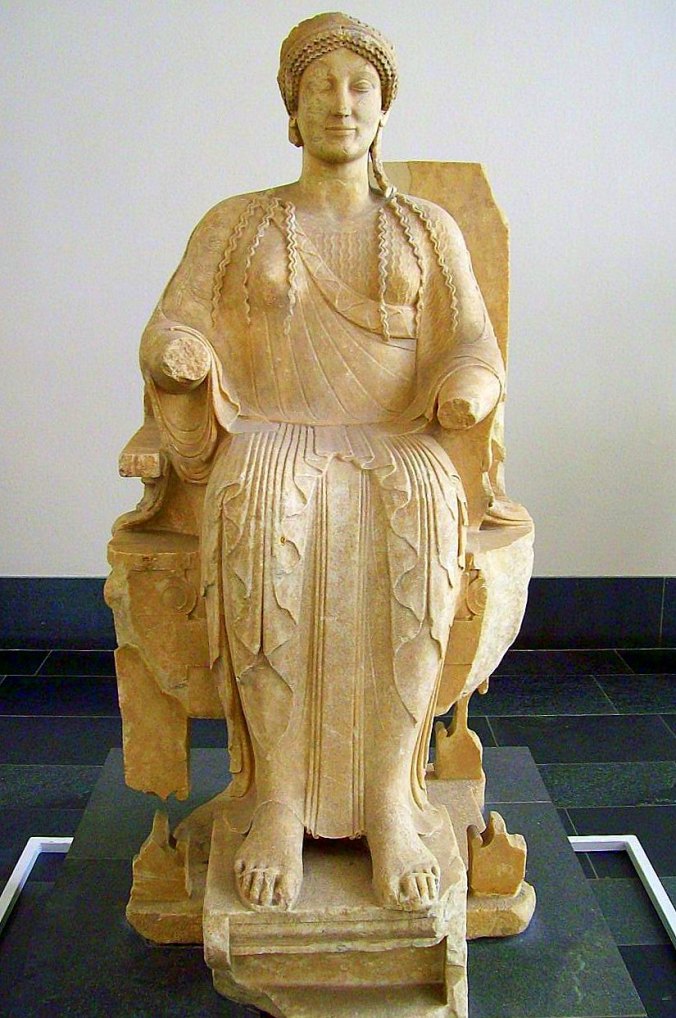
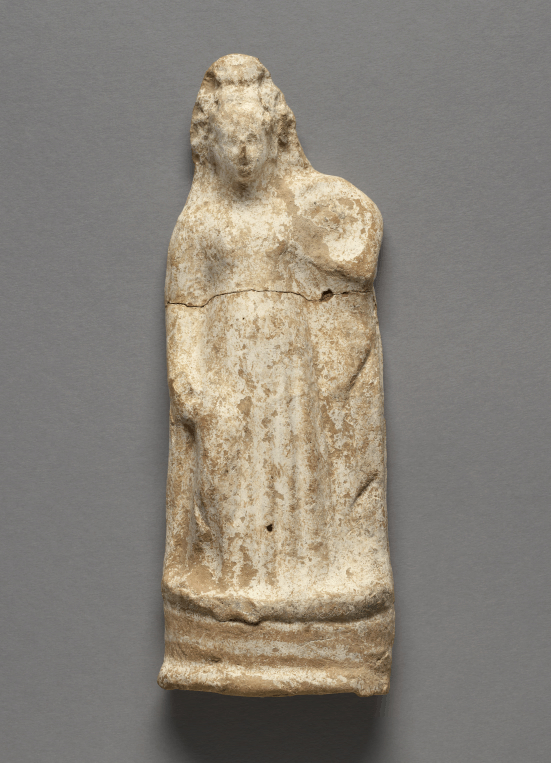
The marble Persephone statue shown below was unearthed in Taranto in 1911, and was smuggled out of the country to Germany, where it is now on display at the Altes museum in Berlin. Efforts have been underway for several years from Italian authorities to have this statue returned to Italy permanently.

Marble statue of an enthroned Persephone found in Taranto, dated to about 480 BCE. Image from Wikimedia Commons.
Sources:

Wikipedia contributors. “Taras (mythology).”ย Wikipedia, The Free Encyclopedia. Wikipedia, The Free Encyclopedia, 18 Nov. 2025. Web. 9 Jun. 2026. https://en.wikipedia.org/wiki/Taras_(mythology)

Wikipedia contributors. “Taranto.”ย Wikipedia, The Free Encyclopedia. Wikipedia, The Free Encyclopedia, 4 Jun. 2026. Web. 9 Jun. 2026. https://en.wikipedia.org/wiki/Taranto

Photo: ยฉ The Trustees of the British Museum. Shared under aย Creative Commons Attribution-NonCommercial-ShareAlike 4.0 International (CC BY-NC-SA 4.0) licence.

Slideshow images: https://whichmuseum.com/museum/national-archaeological-museum-of-taranto-marta-39993

Photo from Statio Magna Grecia – Due Sicilie: https://www.facebook.com/media/set?set=a.1401036572054162&type=3

The Greek Reporter: “Echoes of Magna Graecia: Persephone Festival Reclaims Tarantoโ€™s Greek Soul”, https://greekreporter.com/2026/05/29/magna-graecia-persephone-festival-taranto/

Hekate in Magna Graecia: Morgantina

Morgantina

Morgantina was a province in Enna, Sicily, which is roughly in the east-center of the island. Morgantina was settled sometime around 1000 BCE and life continued there until around 50 CE. In present day, the area is known as “Aidone”. Morgantina was the site of a major sanctuary to Demeter and Persephone, and many statues, votives, pottery, and curse tablets have so far been recovered at the site. Sadly, much looting was done here and artifacts are still being recovered and returned to Italy in present-day.

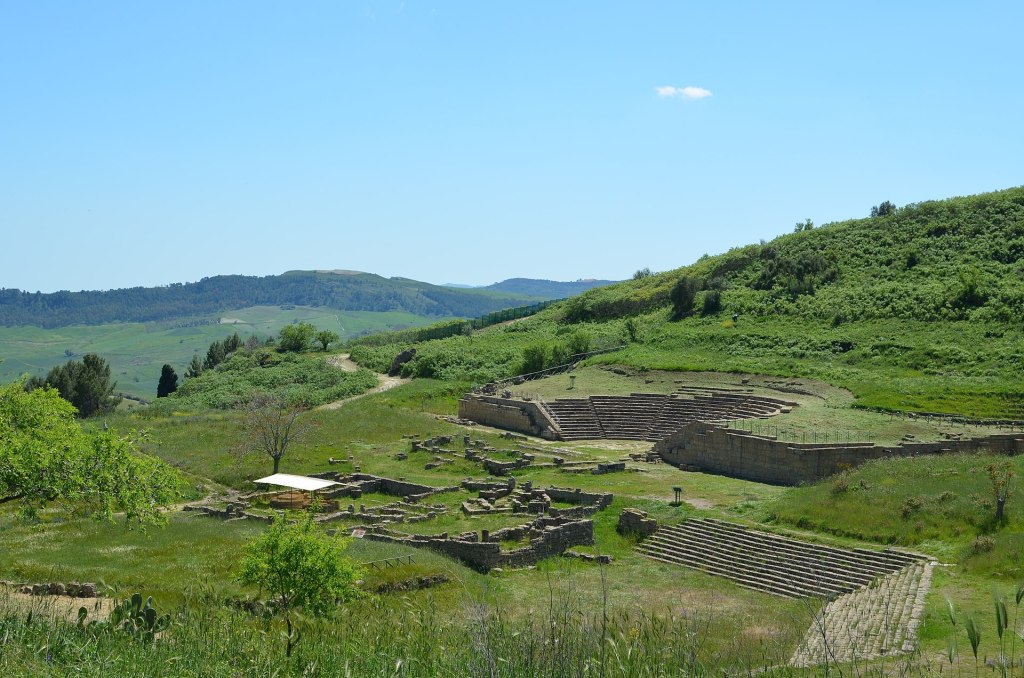
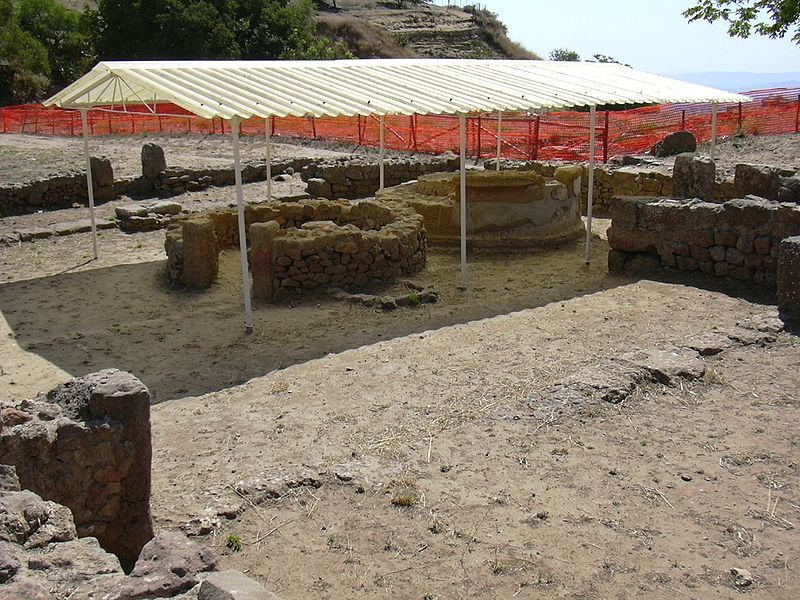
Remains of the sanctuary of Demeter & Persephone, and a Greek theater beyond the sanctuary. Image from Wikimedia Commons

Morgantina was home to a major sanctuary dedicated to Demeter and Persephone, the excavated remains of one may be seen in the above photo. Researchers discovered that there were actually five separate sanctuaries in Morgantina dedicated to Demeter and Persephone, and each one likely served different functions. They were located on each directional side (north, south, east, and west). Morgantina is near Pergusa, which is where Persephone was abducted by Hades. A main sanctuary, referred to as the “thesmophorion” to celebrate the Eleusinian mysteries, comprised of several different rooms, some of which were believed to be living quarters for the temple priestesses. Many different votive offerings were found surrounding the altars, and they mostly consisted of figurines and vases. Also found at the site were statues & busts of the goddesses, ritual clay lamps, and hair accessories. Some of the statues found show Persephone holding a piglet and torches. Other artifacts were found within the sanctuary, including items used for pressing oil and wine, and for grinding corn and other grains.

As seen in other sanctuaries to Demeter and Persephone, the main sanctuary at Morgantina has a propylon dedicated to a Chthonian goddess, possibly Hekate or Persephone. This propylon contains a pit in the ground for offerings (a “botros”), and a cylindrical stone altar. Animal bones (likely from pigs) and pottery votive offerings have been found within the botros.

Propylon dedicated to a Chthonian goddess, showing a round altar and botros (offering pit). Public domain image from Wikipedia

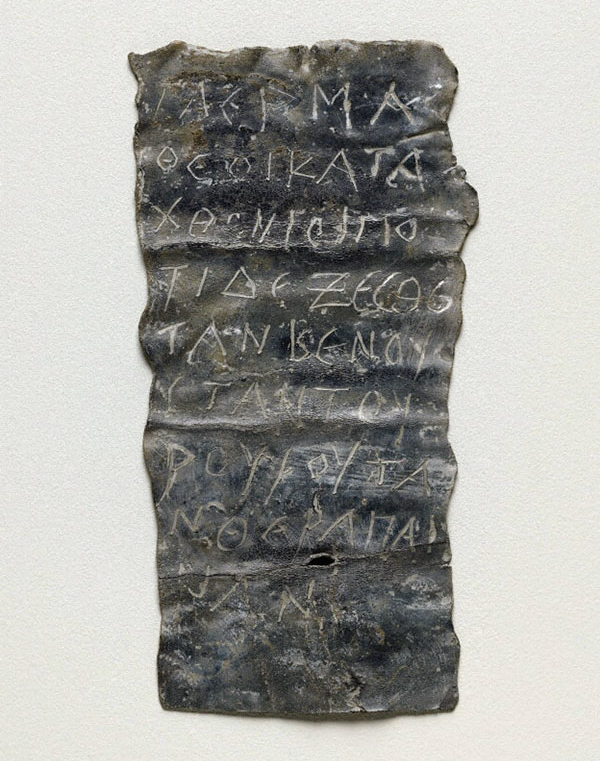
Several lead curse tablets have also been found at Morgantina, and most have been unearthed from the offering pit in the sanctuary / propylon to the still-unnamed Chthonian goddess. One tablet, pictured below, is part of a group of four tablets all cursing a slave named Venusta, and asking the gods of the Underworld to take her to their realm of the dead.

Curse Tablet, about 100 B.C., found in Morgantina, Sicily. Lead, 3 11/16 x 1 13/16 in. (9.4 x 4.6 cm). Museo Archeologico Regionale of Aidone. Photo from Getty Images.

I hope you enjoyed this short essay on Hekate in Magna Graecia: Morgantina. I will expand on this specific topic of Morgantina in the future.

ยฉ Melissa McNair / The Torch and Key


Sources:

The Sanctuary of Demeter Malophoros, Selinunte (Part I)

The ancient Greek community of Selinunte was founded as a sub-colony of Megara Iblea in 651-650 BCE. One of the first sacred sites in the western Sicilian city, which is considered one of the worldโ€™s largest archaeological zones, is the Santuario della Malophoros or the Sanctuary of the Fruit Bearer. โ€œMalophorosโ€ implies pomegranates or apples, [โ€ฆ]

The Sanctuary of Demeter Malophoros, Selinunte (Part I)

Hekate in Magna Graecia: Locri


Locri

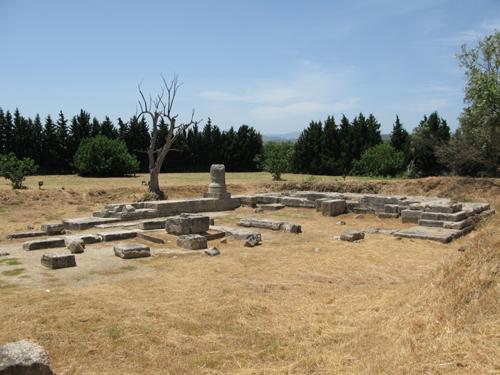
Locri was a Greek colony of Magna Graecia, located in the Calabria region of southern Italy. Locri was the site of a great sanctuary to Persephone โ€“ worshipped as a protectress of fertile marriage. Pinakes (or plaques) unearthed at this site depict Persephone as โ€œQueen of the Deadโ€, residing in Hades. Hundreds of votives, plaques, and other artifacts were found in the temple remains, dating back to about the 5th century BCE. The images depicted on these items tell Persephoneโ€™s story as it is described in the Homeric Hymn to Demeter and Eleusinian Mysteries, including pottery tablets depicted Persephone and Hades, sitting side by side on their thrones asย King and Queen of the Underworld.

The sanctuary dedicated to Persephone in Locri (also known as Locri Epizefiri) was described by Diodorus Siculus as one of the most famous of the sanctuaries in Magna Graecia. Persephoneโ€™s temple featured a propylaia, and possibly had underground rooms for chthonic rites. Based on archaeological findings, it is believed that the Eleusinian Mysteries were re-enacted here.

Outside the temple walls was another location for rituals โ€“ the Cave of the Nymphs, also known as the Grotta Caruso. Here, women would undergo katabasis (underworld journey); caves are a common location for rituals involving chthonic deities. Excavations of this site revealed stairs leading down into a subterranean area containing a natural spring basin used for ritual bathing, complete with an altar. Niches were set into the walls for votive offerings. Some of the votives uncovered included figurines of women, many of which were triple-headed (triform).

A very interesting archaeological find was discovered within Persephoneโ€™s temple โ€“ a pinake of a winged female daimon. This brings to mind the earlier mention of Angelos โ€“ the winged messenger/angelic chthonic deity who is identified with both Hekate and Artemis. Winged deities who travel between the worlds are typically messengers or guides of the dead and departed souls.

image8

Temple of Persephone remains at Locri – from Wikimedia


I hope you enjoyed this essay onย Hekate inย  Magna Graecia: Locri.

ยฉ Melissa McNair / The Torch and Key


Sources: