A Mystery
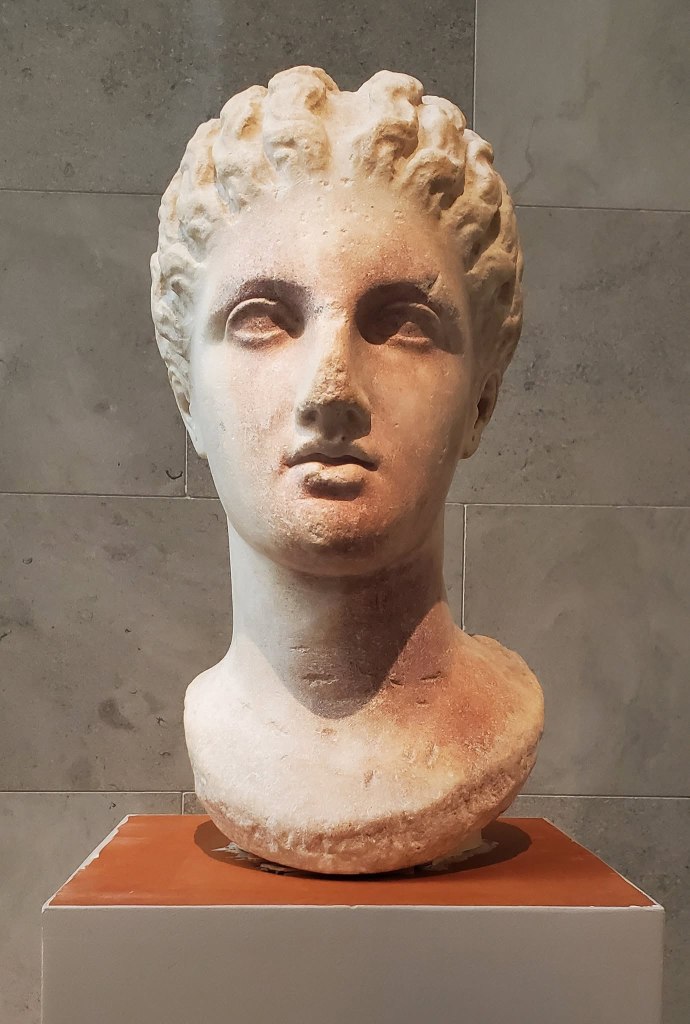
Taranto, sometimes referred to as Tarentum, is located in the Puglia region of southern Italy (the “heel” part of the “boot”). Taranto was named for Taras, a figure from Greek mythology who was said to be the son of Poseidon, and was believed to be shipwrecked in the nearby sea. According to the myths, Taras was rescued by Poseidon when he sent a dolphin to assist Taras to shore, and Taranto is where Taras landed.
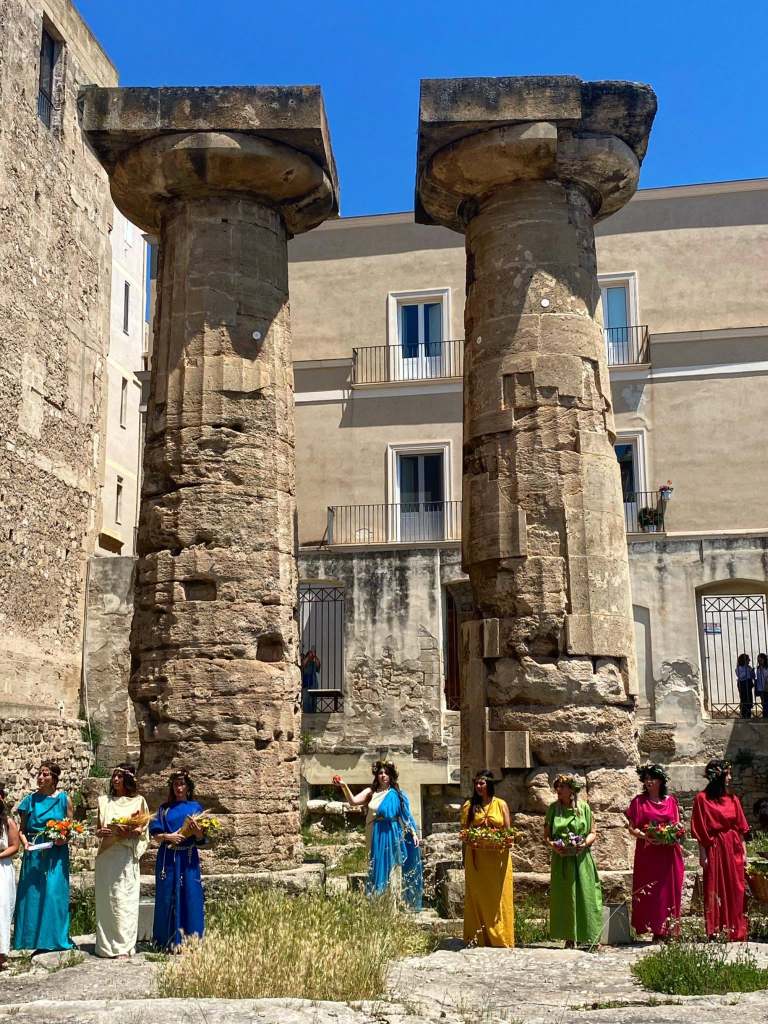
The remains of a great temple are located in Taranto, dating to approximately the 6th century BCE. It was long believed that the temple was for Poseidon, however, that theory has been called into question with archaeological finds in the area pointing to a female deity being worshipped there – either Persephone or Artemis, or both (either separately or they were blended, which wasn’t uncommon) alongside Demeter.
Below is a slideshow of additional artifacts found at Taranto that indicate Persephone and Demeter were worshipped there. Photo captions have been provided.
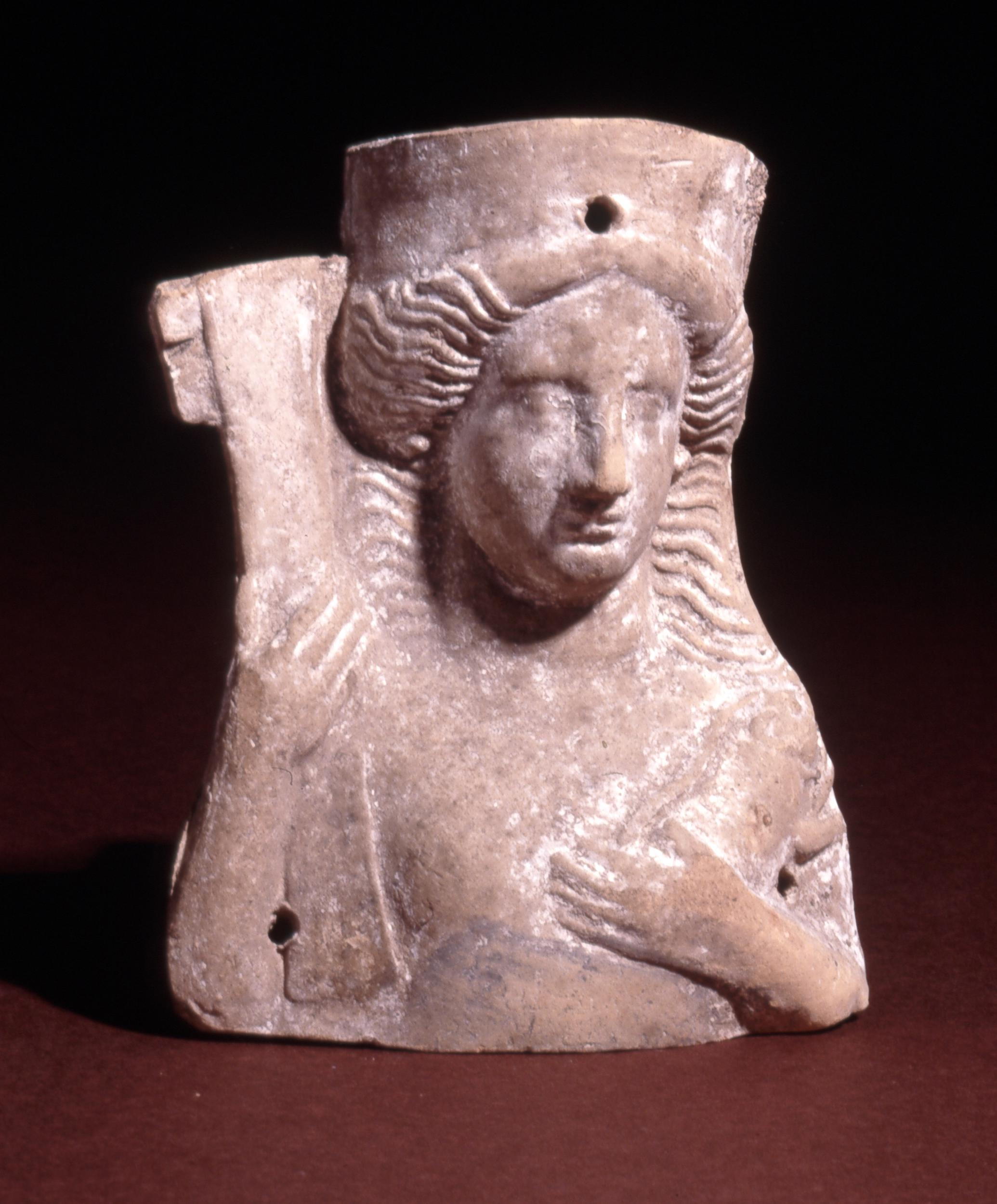
Terracotta bust of Demeter or Persephone holding a torch and a pig. Dated to 400 BCE from Taranto, on display at the Bristish Museum 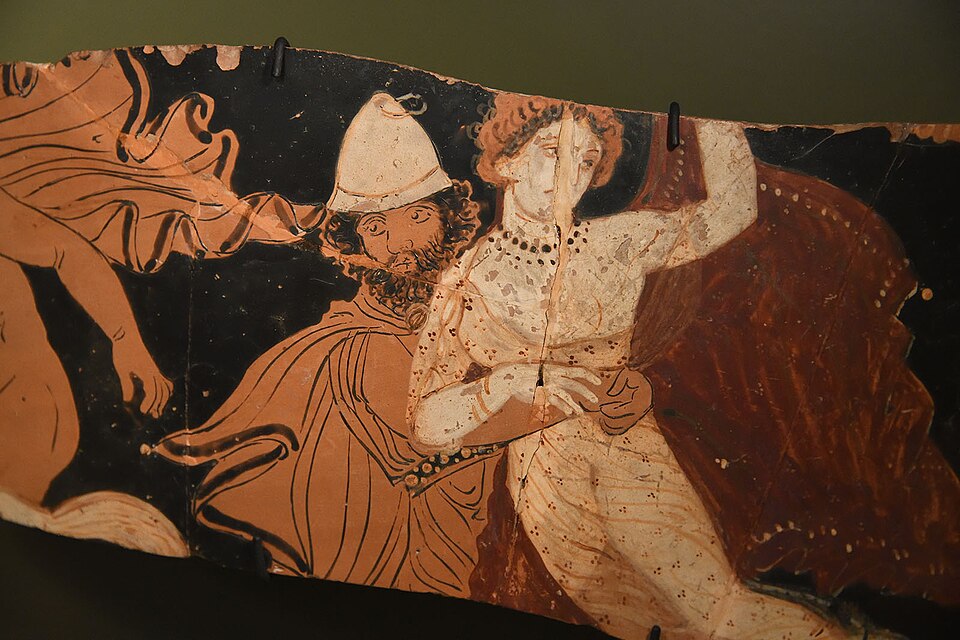
Pottery fragment from Taranto showing Hades abducting Persephone. Dated to about 350 BCE. Image from Wikimedia Commons. 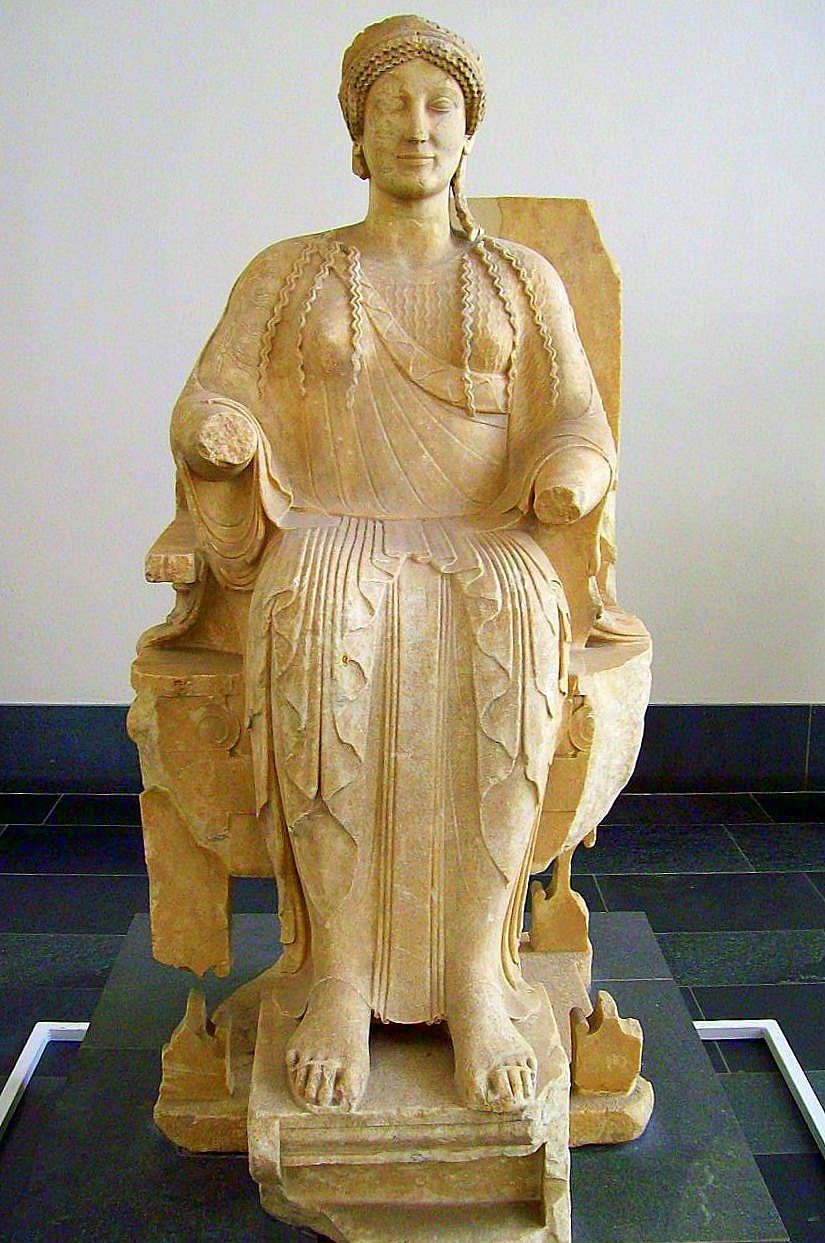
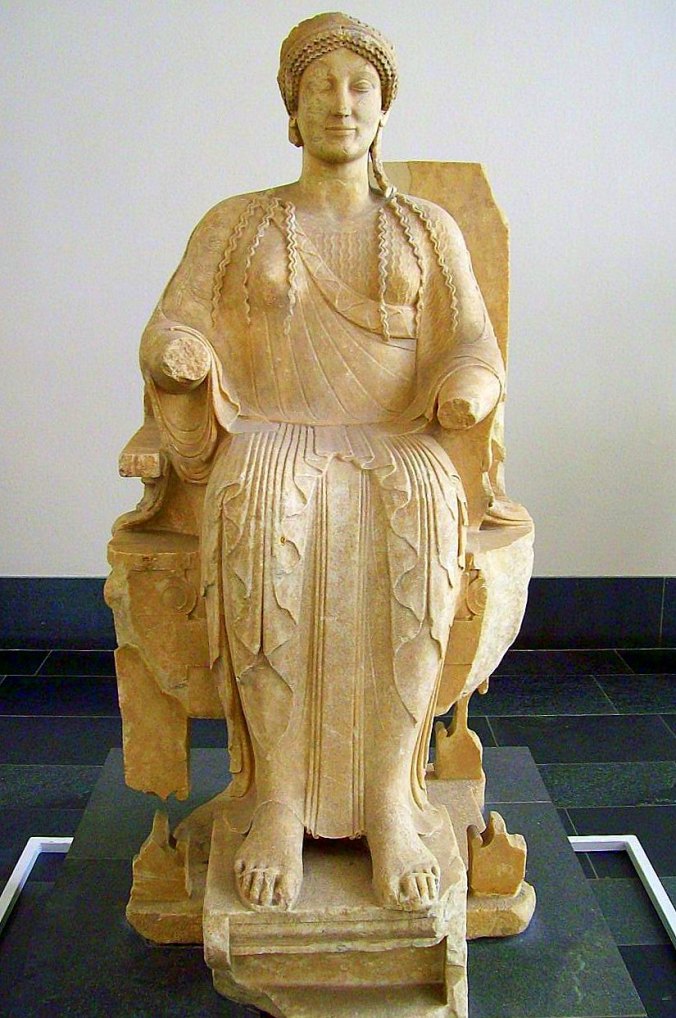
Marble statue of an enthroned Persephone found in Taranto, dated to about 480 BCE. Image from Wikimedia Commons. 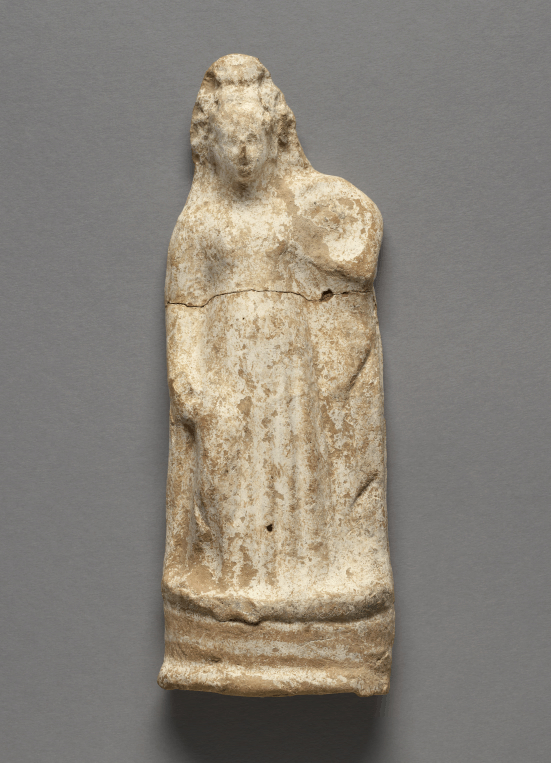
Plaque of Polyboia, a figure from Greek myths that is linked to Persephone. Found in Taranto, dated to about 400 BCE. On display at the Getty Museum. 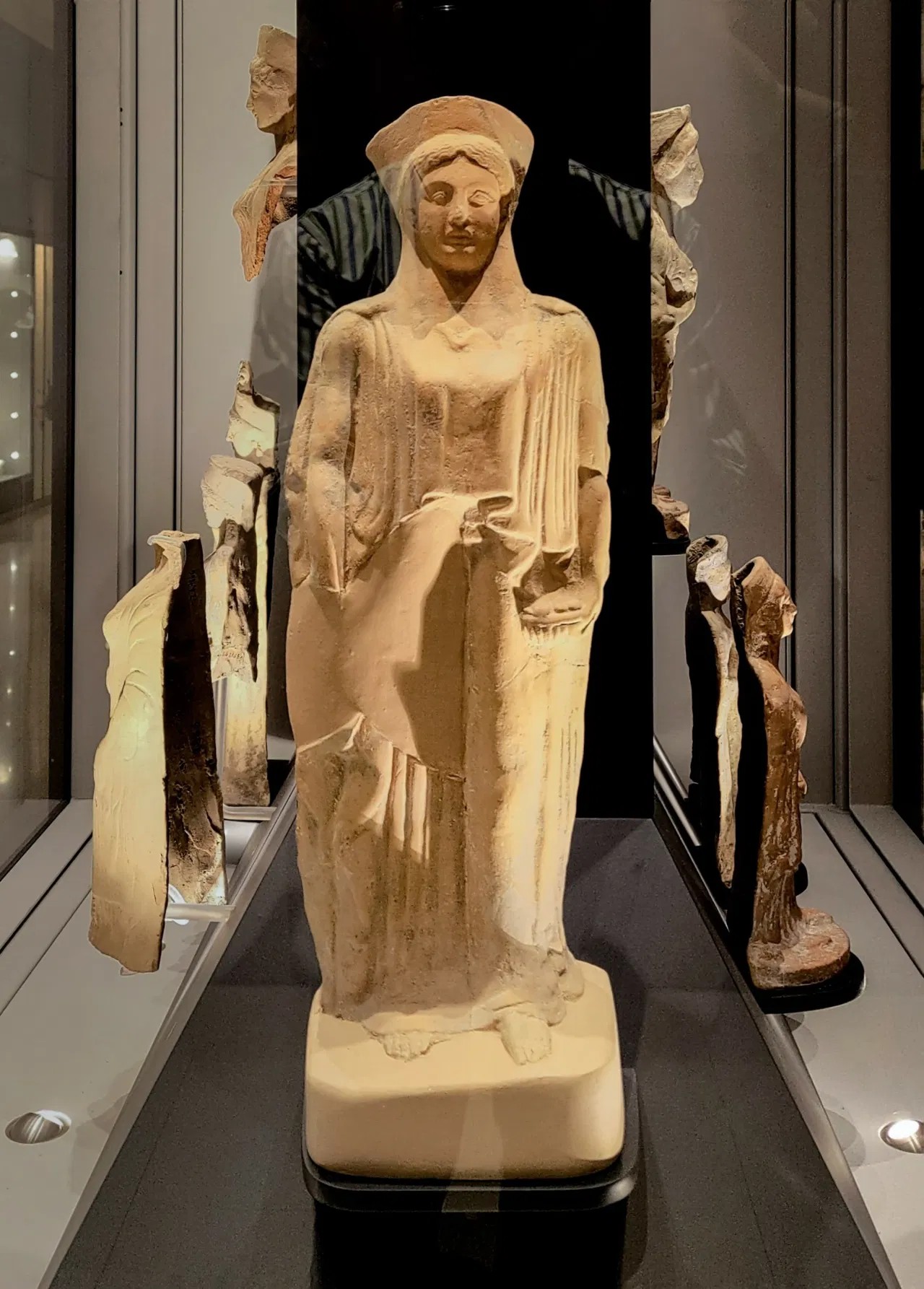
Statue of “Kore”, dated approximately to 5th century BCE. On display at the National Archaeological Museum of Taranto MArTA 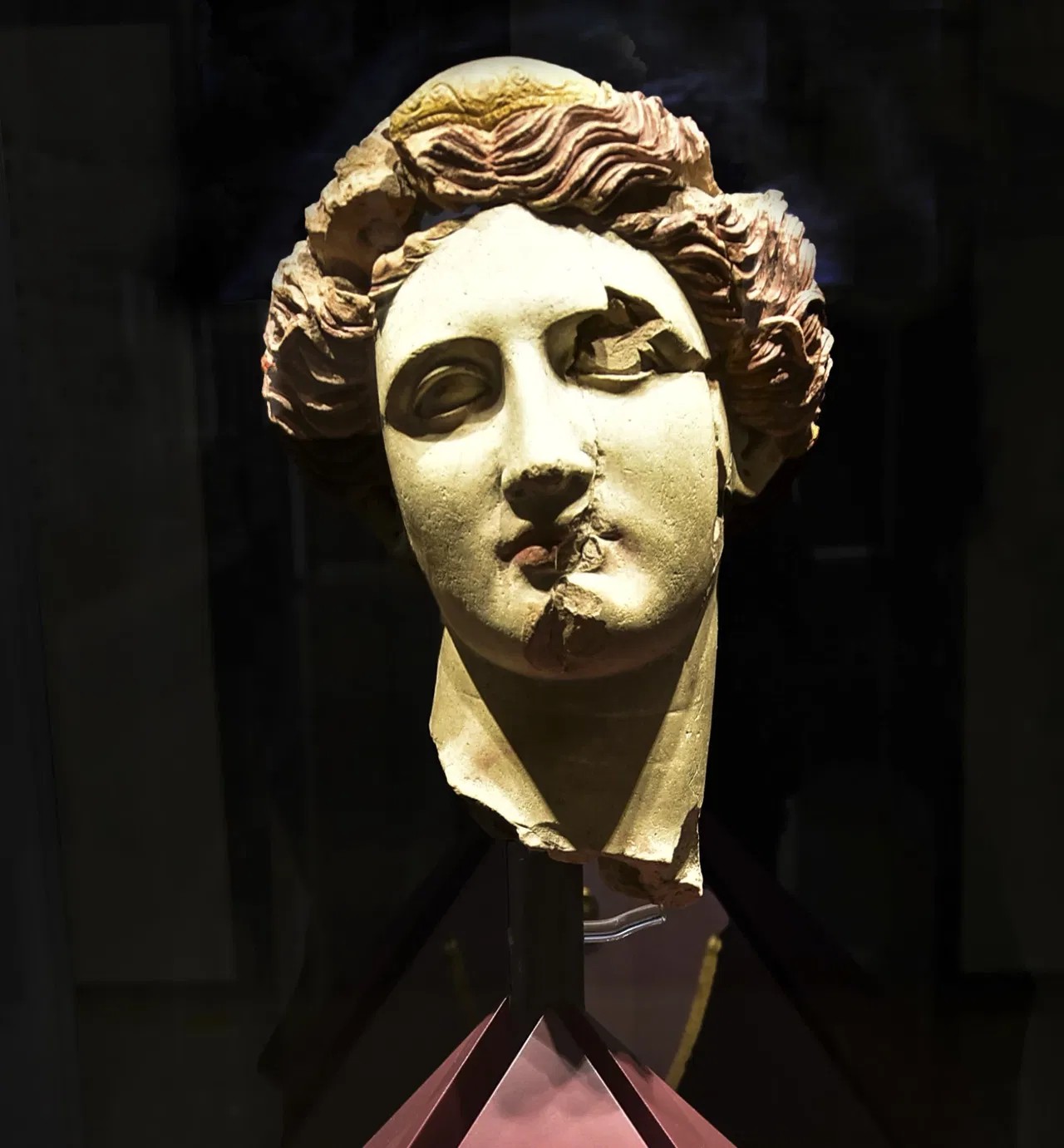
Polychrome head of a goddess, dated to about the 4th century BCE. On display at the National Archaeological Museum of Taranto MArTA 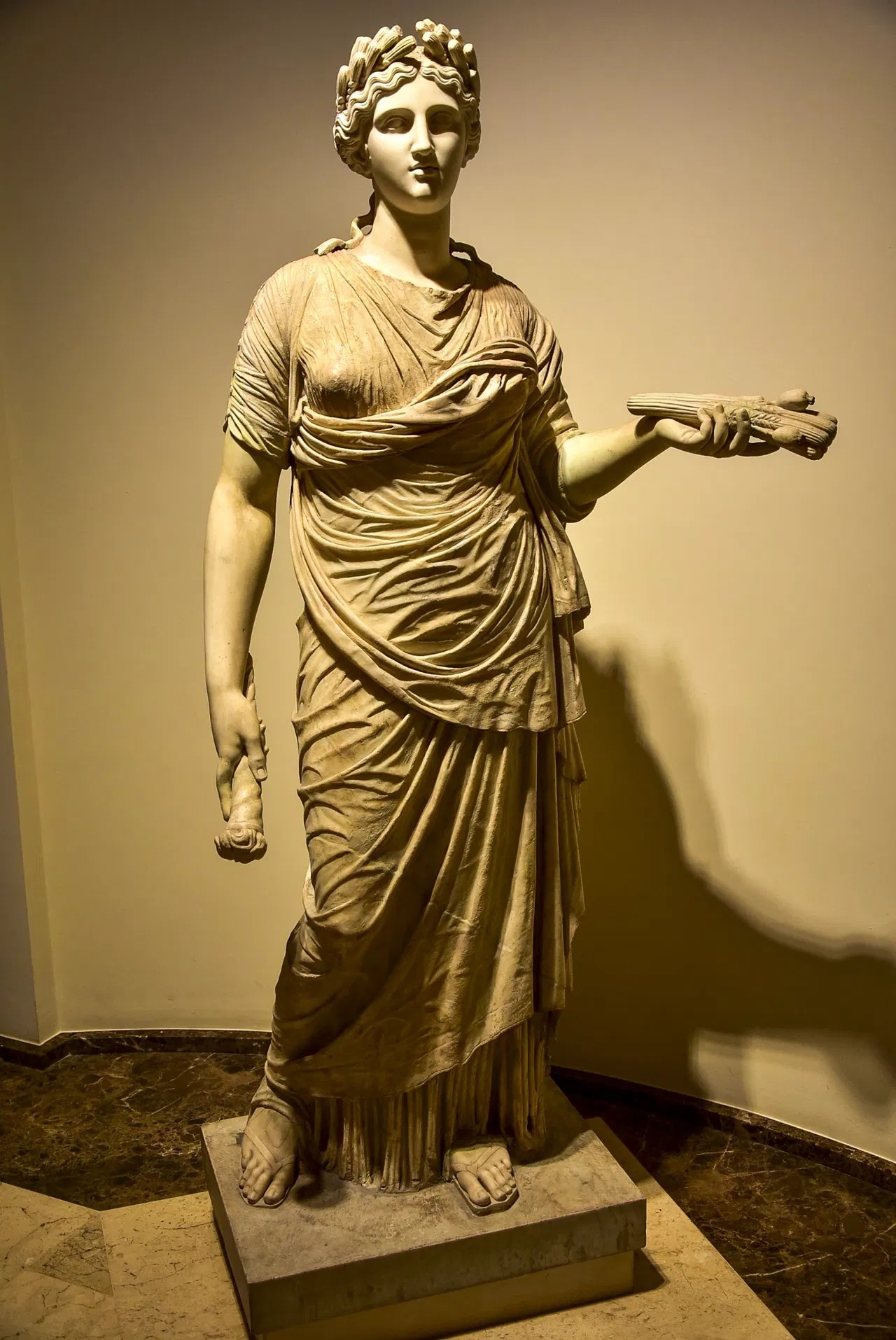
Marble statue of a goddess, likely Demeter. She is carrying a torch in her right hand, and a harvest in her left with the same harvest grains (flowers?) adorning her head. Date unknown; on display at the National Archaeological Museum of Taranto MArTA
Based on the slideshow above, it is fair to conclude that Persephone and Demeter were worshipped in Taranto. A temple to Poseidon would not contain artifacts depicting key events linked to the Eleusinian Mysteries, as were found at other known sanctuaries that were dedicated to Demeter and Persephone in southern mainland Italy and Sicily that carried out reenactments of the Eleusinian rites, such as in Selinunte, Morgantina, and Enna.
Il Ritorno di Persephone
Recently, the Greek Reporter featured an annual festival in Taranto that celebrates Persephone’s return from the underworld. They describe a ceremonial procession through the town that ended at Piazza Castello where the temple remains are.
Bringing Persephone Home
The marble Persephone statue shown below was unearthed in Taranto in 1911, and was smuggled out of the country to Germany, where it is now on display at the Altes museum in Berlin. Efforts have been underway for several years from Italian authorities to have this statue returned to Italy permanently.
Sources:
Wikipedia contributors. “Taras (mythology).” Wikipedia, The Free Encyclopedia. Wikipedia, The Free Encyclopedia, 18 Nov. 2025. Web. 9 Jun. 2026. https://en.wikipedia.org/wiki/Taras_(mythology)
Wikipedia contributors. “Taranto.” Wikipedia, The Free Encyclopedia. Wikipedia, The Free Encyclopedia, 4 Jun. 2026. Web. 9 Jun. 2026. https://en.wikipedia.org/wiki/Taranto
Photo: © The Trustees of the British Museum. Shared under a Creative Commons Attribution-NonCommercial-ShareAlike 4.0 International (CC BY-NC-SA 4.0) licence.
Slideshow images: https://whichmuseum.com/museum/national-archaeological-museum-of-taranto-marta-39993
Photo from Statio Magna Grecia – Due Sicilie: https://www.facebook.com/media/set?set=a.1401036572054162&type=3
The Greek Reporter: “Echoes of Magna Graecia: Persephone Festival Reclaims Taranto’s Greek Soul”, https://greekreporter.com/2026/05/29/magna-graecia-persephone-festival-taranto/
© Melissa M. / The Torch and Key

